Merging onto a highway can feel intimidating when you’re learning to drive, especially with fast-moving vehicles approaching from behind. Understanding the correct technique helps you stay calm, make safer decisions, and build skills useful for ICBC road test preparation. A successful merge is not about accelerating as quickly as possible. It involves observing traffic, choosing a suitable gap, and adjusting your speed without disrupting other drivers.
In British Columbia, highway entrances vary in length and design. Some provide generous acceleration lanes, while others require earlier decisions, particularly during busy commuting hours. With guided practice through class 7 driving lessons, beginners can strengthen the observation and vehicle-control skills needed for confident driving. This guide explains the process step by step.
Highway Merging: Quick Reference for Beginner Drivers
| Driving Situation | Recommended Action | Mistake to Avoid |
| Approaching the entrance ramp | Scan highway traffic and identify possible gaps early. | Focusing only on the vehicle ahead. |
| Using the acceleration lane | Gradually match traffic speed without exceeding the posted limit. | Entering significantly slower than surrounding vehicles. |
| Selecting a gap | Look for enough space ahead and behind your vehicle. | Choosing a gap that requires another driver to brake sharply. |
| Checking blind spots | Check mirrors, signal, and shoulder check before changing lanes. | Relying entirely on mirrors or blind-spot technology. |
| Heavy traffic | Adjust to the flow and wait for a safe opening. | Forcing your way between closely spaced vehicles. |
| Short entrance lane | Assess available space early and follow road signs. | Assuming the highway lane will automatically clear. |
| Wet or snowy pavement | Reduce speed appropriately and increase your safety margin. | Sudden acceleration, steering, or braking. |
| After merging | Cancel your signal and establish a safe following distance. | Following the vehicle ahead too closely. |
How to Merge onto a Highway: 5 Essential Steps for Beginners
The safest approach combines early observation, speed control, and a deliberate lane change. Follow these five steps whenever you enter a highway.
1. Check Traffic Before Leaving the Entrance Ramp
Start observing highway traffic as soon as you have a clear view. Notice vehicle speeds, spacing, and any large trucks occupying the right lane. Look ahead to understand the entrance lane’s length and identify where vehicles may leave room for you. Early observation reduces last-second decisions.
2. Use the Acceleration Lane to Match Traffic Speed
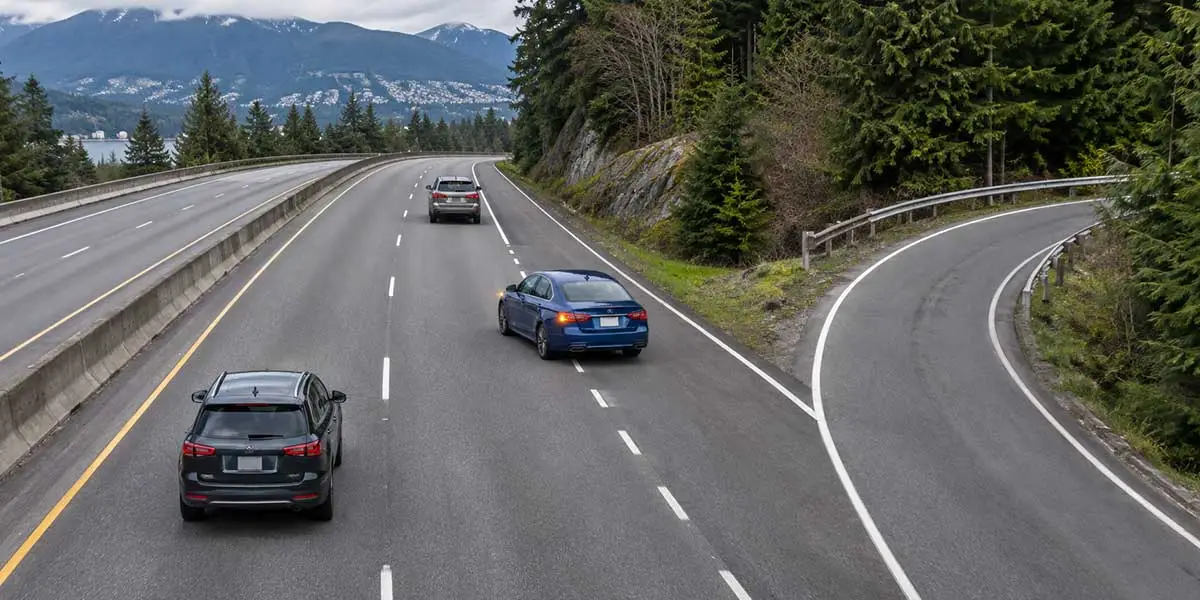
The acceleration lane gives you space to approach the speed of highway traffic. Accelerate progressively while staying within the posted speed limit. Entering too slowly can create a dangerous speed difference, but exceeding the limit to squeeze into a gap is not appropriate either. Your goal is a controlled transition, not maximum acceleration.
3. Signal, Check Your Blind Spot, and Find a Safe Gap
Signal early enough to communicate your intention. Check your mirrors, then make a brief shoulder check toward the lane you’re entering. Look for a gap that accommodates your vehicle without requiring others to make sudden adjustments. Remember that signaling communicates your intention; it does not give you the right-of-way.
4. Merge Smoothly Without Forcing Other Drivers to Brake
Once the gap is safe and your speed is appropriate, steer gradually into the highway lane. Avoid sharp steering movements or unnecessary braking. Continue monitoring surrounding vehicles as you complete the lane change. If the gap closes unexpectedly, reassess rather than forcing the maneuver.
5. Adjust Your Following Distance After Merging
Once you’re fully in the lane, cancel your signal and establish a comfortable following distance. ICBC recommends at least three seconds of following distance on highways. Allow additional space when visibility or road conditions are poor. Avoid making another lane change immediately unless necessary and safe.

How to Merge onto a Highway in Heavy Traffic
Heavy traffic changes the merging process because vehicles may be traveling slowly, with limited space between them. Instead of accelerating toward the posted highway speed, adjust your speed to match the actual movement of traffic. Watch how vehicles are positioned. A suitable opening may develop as traffic slows or moves forward. Signal clearly, check your blind spot, and enter only when sufficient space exists.
When learning how to merge onto a busy highway, remember that another driver’s courtesy is helpful but never guaranteed. Do not assume someone will slow down or change lanes to accommodate you. If traffic is stop-and-go, maintain awareness of both the vehicle ahead on the ramp and the vehicles beside you. Avoid concentrating on a potential opening so intensely that you miss sudden braking ahead.
How to Merge onto Highway Traffic When Gaps Are Limited
A short acceleration lane or tightly packed traffic can make choosing a safe opening more difficult. Start evaluating gaps early rather than waiting until the lane ends. Sometimes a small adjustment in speed allows you to position your vehicle behind another car instead of trying to pass it.
Pay attention to the remaining lane length, surrounding vehicles, signs, and road markings. Never assume that reaching the end of the entrance lane gives you priority. If a safe opening is unavailable, do not force your vehicle into moving traffic. Respond to the road layout and conditions, stopping only when necessary and safe.
The most important skill is recognizing when a planned merge is no longer safe and adjusting your decision before the situation becomes urgent.
Common Mistakes to Avoid When Merging onto a Busy Highway
Even experienced drivers occasionally make merging mistakes. Beginners should pay particular attention to these common problems:
- Entering too slowly: A major speed difference makes it harder to fit safely into moving traffic.
- Skipping a shoulder check: A vehicle may be hidden beside you even when your mirrors appear clear.
- Braking unnecessarily: Sudden braking can surprise vehicles following on the entrance ramp.
- Assuming signaling creates priority: Drivers already in the highway lane must be considered before entering.
- Watching only one vehicle: Traffic conditions can change quickly ahead, beside, and behind you.
- Crossing solid lane markings: Wait until lane markings permit your movement and the lane change is safe.
Correcting these habits helps you develop smoother, more predictable driving behavior.
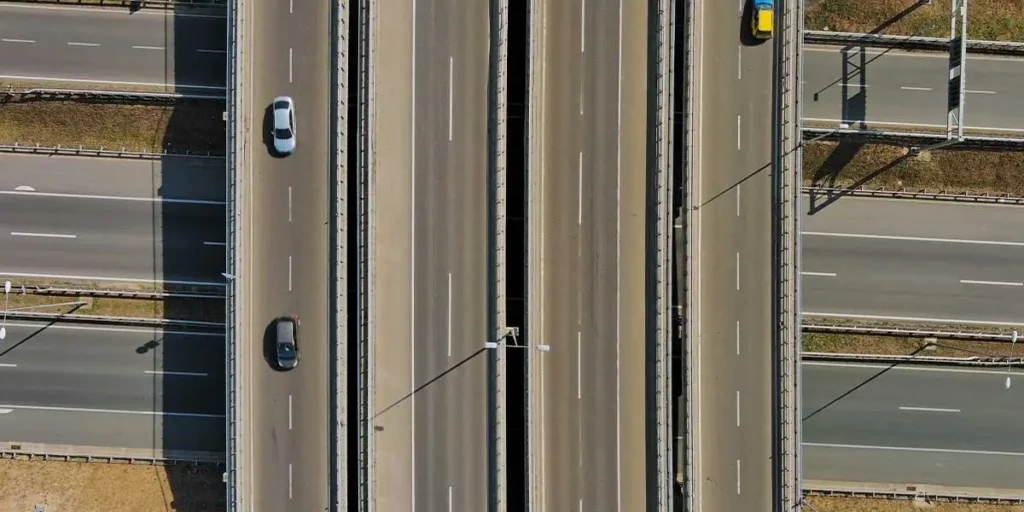
How to Safely Merge onto Highway Lanes in Rain or Snow
Wet pavement, snow, and reduced visibility require additional caution, especially on highways around Metro Vancouver. The principles of how to safely merge onto highway traffic remain the same, but your speed and spacing must reflect the conditions. Begin observing earlier, accelerate gently, and leave a larger gap before changing lanes. Avoid abrupt steering or braking, particularly on slippery entrance ramps.
Check for spray from large vehicles, standing water, and patches of ice. If traction or visibility is poor, reduce your speed appropriately rather than trying to match unsafe traffic speeds. Reviewing practical tips for driving in snow can also help you prepare for changing winter conditions in British Columbia.
Build Confidence with Guided Highway Driving Practice
Highway merging becomes easier when you practice recognizing traffic patterns rather than memorizing a fixed sequence. At Seymour Driving School, instructors help drivers practice acceleration, blind-spot checks, gap selection, and highway entry in real Metro Vancouver traffic conditions. Whether you’re a beginner or returning to driving, personalized lessons help you build safe habits at a comfortable pace.
Frequently Asked Questions
How to Properly Merge onto a Highway?
To understand how to properly merge onto a highway, begin by scanning traffic, accelerating to an appropriate speed within the limit, signaling, checking mirrors and blind spots, and selecting a safe gap. Merge gradually without forcing other drivers to brake or change direction.
What to Do When Merging onto a Freeway?
When merging onto a freeway, use the entrance lane to adjust your speed and observe surrounding vehicles. Yield to traffic already on the freeway, check your blind spot, and complete the lane change only when sufficient space is available. Follow all posted signs and lane markings.
How to Merge onto a Busy Highway Without Cutting Off Other Drivers?
The safest approach is to identify an opening early and adjust your speed to fit naturally into traffic. Avoid accelerating aggressively toward a small gap. If the available space becomes unsafe, reassess your position instead of forcing the merge.
How to Merge on Highway with Traffic Moving at Different Speeds?
If you’re learning how to merge on a highway with traffic moving at different speeds, focus on the speed of vehicles in the lane you’re entering rather than the posted maximum alone. Adjust gradually, maintain a safe distance, and avoid sudden lane changes when traffic speeds fluctuate.