Learning how to park a car safely is essential for every new driver. Whether you’re preparing for your BC driving licence or improving your everyday skills, our Class 5 driving lessons help you develop better vehicle control and parking confidence.
If you’re just starting, Class 7 driving lessons provide guided practice with steering, observation, and parking manoeuvres. This guide covers practical methods for parking safely in different situations.
Parking Techniques at a Glance: Practical Comparison Table
Different parking techniques require different steering movements, observation habits, and positioning. Use this comparison to choose the right approach.
| Parking Method | Best Situation | Key Technique | Common Mistake |
Practical Tip |
|
Forward Parking |
Wide parking spaces | Approach slowly and turn smoothly | Turning too early |
Allow enough clearance before steering |
|
Reverse Parking |
Standard parking stalls | Align, reverse, and straighten | Watching only the camera |
Complete a 360° observation check |
|
Parallel Parking |
Street parking | Reverse at an angle, then straighten | Starting too close to the vehicle ahead |
Maintain safe side clearance |
|
Tight-Space Parking |
Crowded parking lots | Use small steering adjustments | Forcing the vehicle into position |
Stop and reposition when necessary |
|
Hill Parking |
Sloped streets | Secure the vehicle and position wheels correctly | Incorrect wheel direction |
Apply the parking brake and follow hill-parking rules |
How Do You Park a Car Safely? Start With the Basics
If you’re wondering how do you park a car without risking scratches or collisions, start with these habits:
- Check your surroundings: Look for pedestrians, cyclists, vehicles, and obstacles.
- Choose enough space: Leave room for doors and safe manoeuvring.
- Control your speed: Move slowly enough to stop immediately.
- Use mirrors and shoulder checks: Never depend entirely on parking cameras.
- Secure your vehicle: Stop completely, select Park for automatic vehicles, and apply the parking brake.
In British Columbia, knowing local parking restrictions is equally important. Review these BC driving rules for foreign drivers if you’re unfamiliar with Canadian road regulations. Professional instruction from the Best Driving School for your learning needs can help you practise these habits consistently.
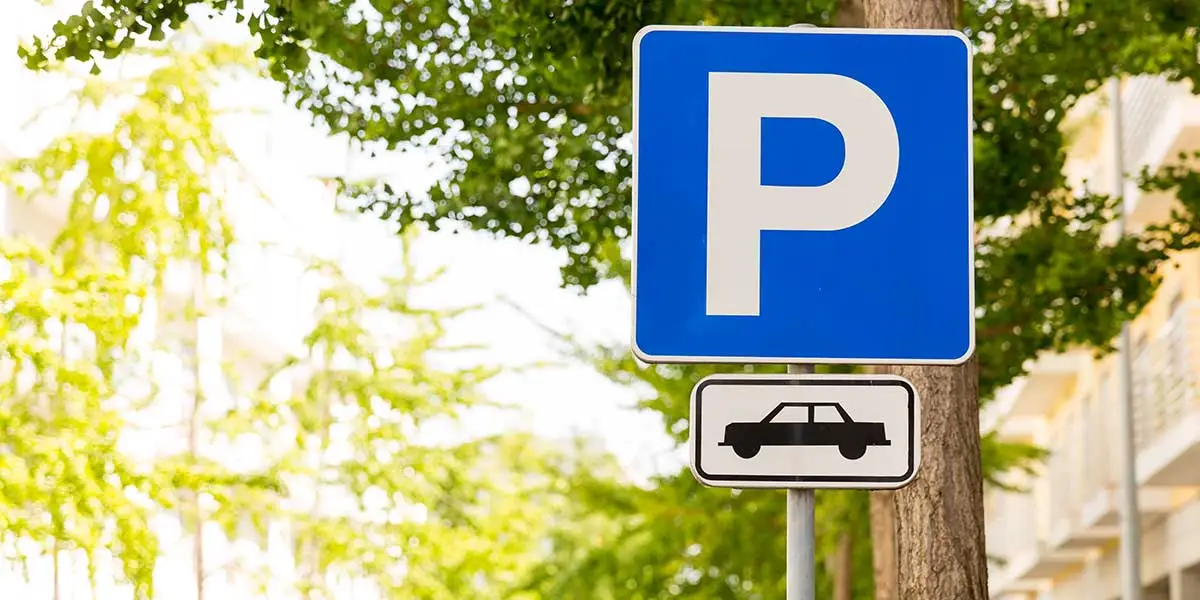
How to Park in a Parking Lot: Forward and Reverse Parking
Understanding how to park in a parking lot involves two main approaches: driving forward into a space or reversing into it. Each requires careful observation and accurate vehicle positioning.
Forward Parking: A Simple Step-by-Step Method
- Choose a parking space wide enough for your vehicle.
- Signal if necessary and check for nearby traffic and pedestrians.
- Approach slowly, allowing enough turning room.
- Turn toward the parking space while monitoring both front corners.
- Straighten your wheels as the vehicle enters the space.
- Stop centrally between the lines, leaving room on both sides.
Pro Tip: If your vehicle enters at an awkward angle, stop and reposition instead of forcing the turn.
Reverse Parking: How to Back Into a Space Safely
- Select an empty parking space and check for hazards.
- Position your vehicle to allow a controlled reversing angle.
- Complete a 360-degree check before moving backwards.
- Reverse slowly while steering toward the space.
- Monitor your mirrors, blind spots, and rear clearance.
- Straighten your wheels and adjust until centred.
Reverse parking often provides better visibility when leaving a parking space, particularly in busy lots.
How to Parallel Park a Car: Step-by-Step Instructions
Learning how to parallel park a car is especially useful for street parking in Vancouver and North Vancouver.
Follow these steps:
- Choose a suitable space: Make sure there’s enough room to manoeuvre safely.
- Position your vehicle: Pull alongside the vehicle ahead of the space, leaving approximately one metre of clearance.
- Check for traffic: Signal, check mirrors and blind spots, and ensure the area behind is clear.
- Begin reversing: Move slowly and steer toward the curb.
- Adjust your angle: Once your vehicle’s front has enough clearance from the vehicle ahead, steer away from the curb to bring the front inward.
- Straighten and secure: Finish parallel to the curb without contacting surrounding vehicles.
BC Parking Rule: ICBC recommends parking within 30 cm of the curb. Use your mirrors and visual checks to maintain proper positioning.
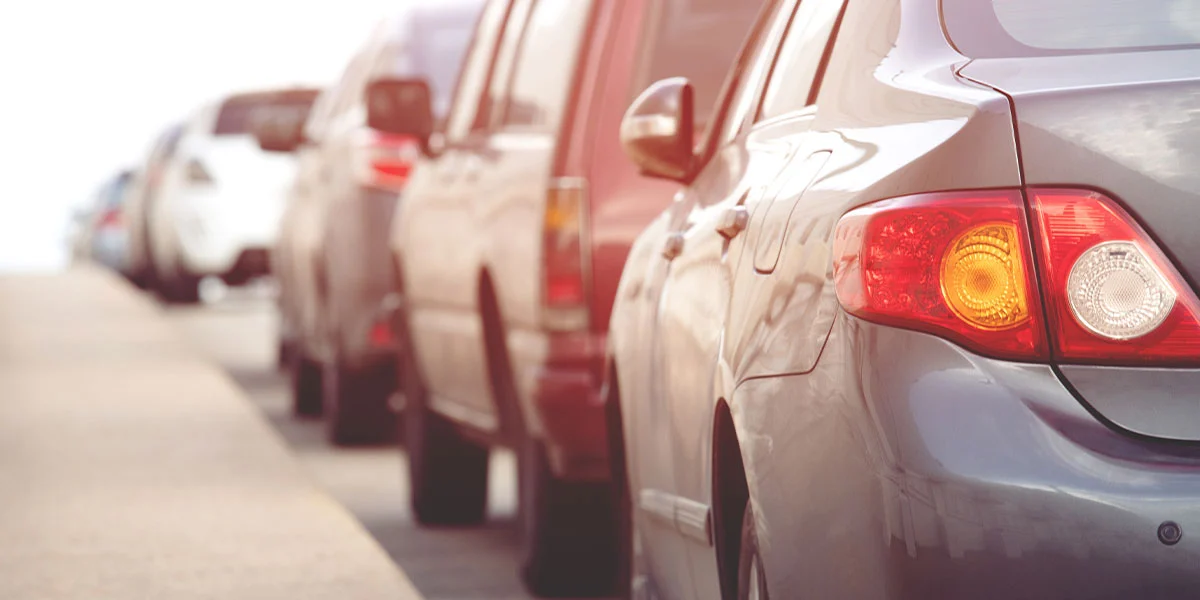
How to Park in a Car Park With Tight Spaces
Knowing how to park in a car park becomes particularly important when dealing with narrow lanes, concrete pillars, or closely parked vehicles.
For difficult spaces:
- Choose a space that comfortably accommodates your vehicle.
- Watch for pillars, shopping carts, and open vehicle doors.
- Allow extra room for the front of your vehicle to swing during turns.
- Make small steering corrections rather than sharp, rushed movements.
- Stop and reassess whenever visibility or clearance becomes uncertain.
For underground parking, also watch for low ceilings, poor lighting, and pedestrians approaching from blind corners.
Never attempt to squeeze into a space that doesn’t provide sufficient clearance.
Essential Parking Tips to Avoid Common Beginner Mistakes
These practical parking tips can prevent the mistakes most beginners experience.
|
Common Mistake |
Why It Happens |
How to Fix It |
|
Turning too early |
Incorrect distance judgment |
Wait until the vehicle has sufficient turning clearance |
|
Parking too close to another car |
Poor side-distance awareness |
Check both mirrors and reposition |
|
Reversing too quickly |
Rushing the manoeuvre |
Maintain a slow, controlled speed |
|
Depending only on cameras |
Ignoring surrounding blind spots |
Combine mirrors, shoulder checks, and camera assistance |
|
Repeated steering without checking |
Losing track of wheel position |
Pause, assess alignment, and correct gradually |
Remember: Smooth, predictable movements are more important than completing a parking manoeuvre quickly.
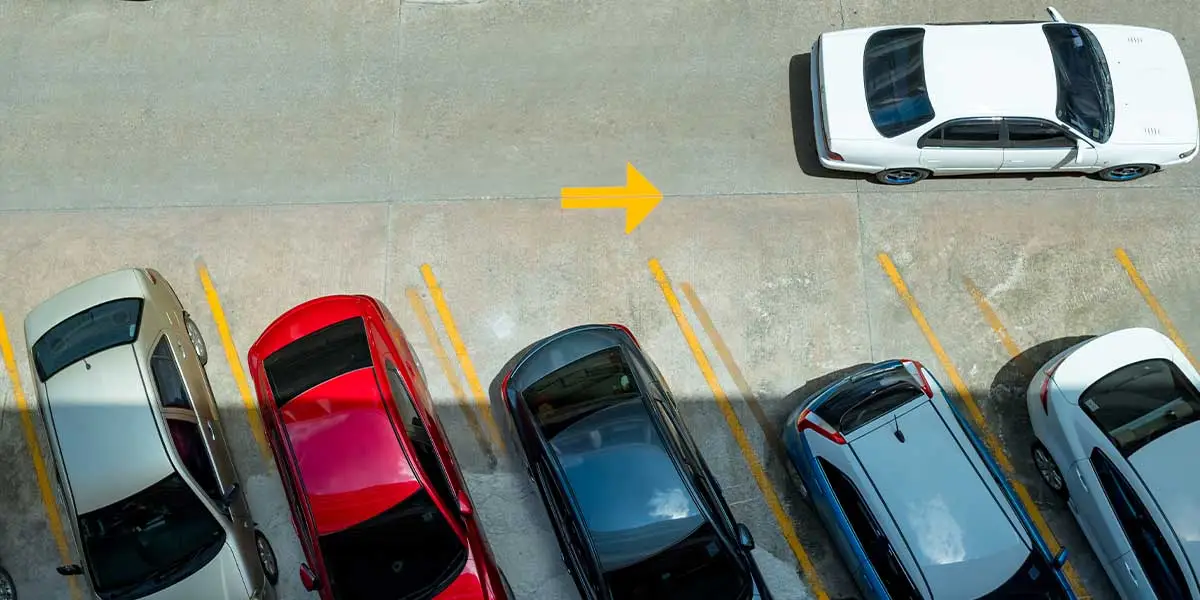
The Best Way to Park a Car: Build Confidence With Practice
The best way to park a car confidently is to practise one manoeuvre at a time. Start in a quiet parking area with marked spaces. Practise forward parking until you can position your vehicle consistently, then move to reverse and parallel parking. Keep each practice session focused on one improvement, such as steering timing or distance judgment. Gradually introduce busier locations as your skills improve.
At Seymour Driving School, our experienced instructors provide personalized parking instruction throughout Vancouver, North Vancouver, West Vancouver, and Burnaby. Ready to improve your parking skills? Book a driving lesson and build confidence with patient, practical instruction.
Frequently Asked Questions About Car Parking
Where Can I Find Beginner Driving Lessons Focused on Parking Techniques?
Seymour Driving School provides beginner-friendly, one-on-one lessons covering parking fundamentals, vehicle control, observation, and ICBC preparation across Metro Vancouver.
Which Car Models Have Assisted Parking Features?
Some versions of the Hyundai IONIQ 5 offer Remote Smart Parking Assist. Other manufacturers also offer parking assistance, but features vary by model, trim, and year. Check the vehicle’s specifications.
How to Use a Parking Assist System in a Modern Vehicle?
Activate the system according to your owner’s manual, follow its instructions, and monitor your surroundings continuously. Sensors and cameras support parking but never replace driver attention.
Are There Mobile Apps That Teach Parallel Parking Skills Through Simulation?
Yes. Driving simulators and parking games can help beginners understand steering angles and vehicle positioning. However, they cannot replace supervised practice in a real vehicle.
How Much Do Professional Driving Schools Charge for Parking Practice Sessions?
Prices depend on lesson duration, location, and training packages. Seymour Driving School advertises driving lessons starting from $70. Contact the school to confirm current rates and parking-focused lesson availability.