Moving to British Columbia from a left-driving country such as the UK, Japan, or Australia requires more than switching sides of the road. Understanding BC driving rules for foreign drivers helps you avoid common mistakes at intersections, crosswalks, and highways. If you already have driving experience, refresher driving lessons can help you adapt to local traffic conditions and ICBC expectations.
BC Driving Rules for Foreign Drivers at a Glance
|
Driving Topic |
British Columbia Rules |
What Foreign Drivers Should Know |
|
Driving direction |
Vehicles travel on the right |
Keep right after turns and when entering roads |
| Driver position | Most vehicles have left-side steering | Right-hand-drive vehicles require different visibility adjustments |
|
Intersections |
Priority depends on signs, signals, and right-of-way rules |
At all-way stops, arrival order and yielding rules matter |
|
Pedestrian crossings |
Drivers must yield where legally required |
Check sidewalks and crosswalks before turning |
|
Speed limits |
Generally 50 km/h in cities and 80 km/h outside municipalities unless posted otherwise |
School, playground, construction, and highway limits vary |
|
Lane changes |
Signal, check mirrors and blind spots, and move only when safe |
Shoulder checks are essential |
|
Traffic lights |
Right turns on red are generally permitted after stopping unless prohibited |
Yield to pedestrians and other traffic |
|
Electronic devices |
Handheld device use is prohibited; additional restrictions apply to L and N drivers |
Graduated drivers cannot use hands-free devices |
|
New drivers |
L and N licences have additional restrictions |
Passenger limits, signs, and zero-alcohol rules apply |
|
Foreign licences |
New residents generally have 90 days to obtain a BC licence |
Eligible visitors may drive for up to six months |
|
Licence exchange |
Depends on the issuing country and driving experience |
Knowledge and road tests may be necessary |
|
Insurance |
Vehicles must have valid insurance |
Confirm driver coverage before using a vehicle |
Driving Rules in BC: What Foreign Drivers Need to Know First
The biggest adjustment to driving rules in BC is road positioning. Unlike countries where vehicles travel on the left, British Columbia follows right-side traffic with most vehicles using left-side steering.
Driving on the Right Side, Lane Positioning and Turns
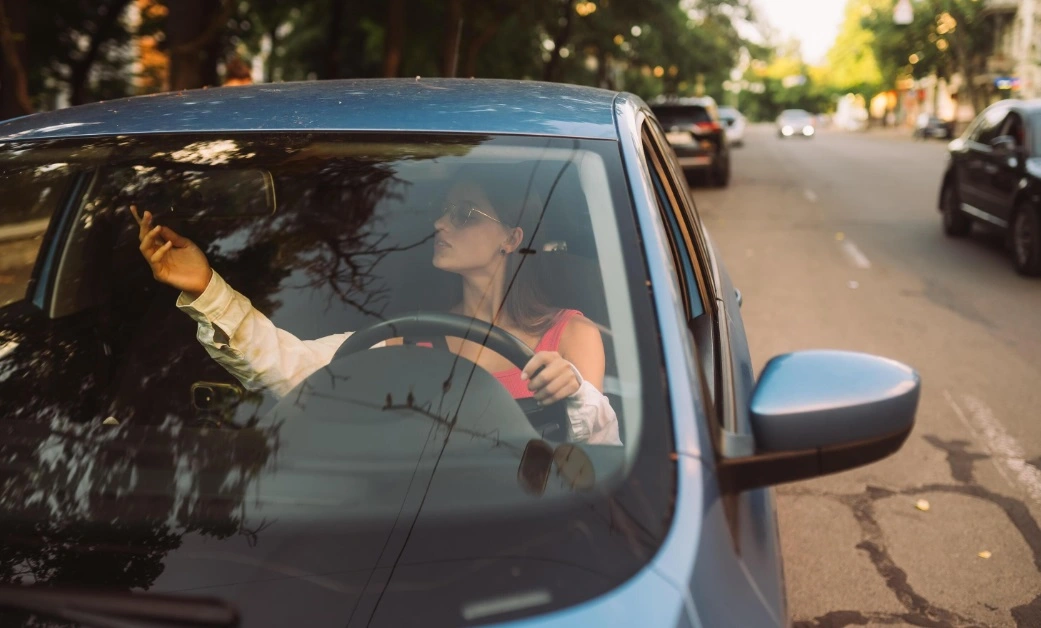
Stay in the right-hand lane unless passing, turning, or following lane directions. When turning left, cross opposing traffic carefully and enter the correct lane. Right turns typically bring you into the nearest appropriate lane. Avoid instinctively moving left after completing a turn. Drivers accustomed to right-hand-drive vehicles should also practise judging distances, positioning, and blind spots from a different seating position.
British Columbia Road Rules at Intersections and Crossings
Understanding British Columbia road rules at intersections is particularly important in residential areas, where uncontrolled intersections and pedestrian activity require careful attention.
Right-of-Way, Four-Way Stops and Pedestrians
At a four-way stop, the vehicle arriving first generally proceeds first. If vehicles arrive simultaneously, yield to the vehicle on your right. Left-turning drivers must yield to approaching traffic when required. Always stop completely at stop signs and red lights.
Right turns on red are generally permitted after a full stop unless signs prohibit them. Drivers must yield to pedestrians and traffic with the right-of-way. Before turning, check crosswalks carefully, including for cyclists approaching along nearby paths.
BC Traffic Rules for Speed, Lane Changes and Highway Driving
BC traffic rules emphasize speed management, lane discipline, and maintaining safe distances, especially during Vancouver’s frequent rain and reduced visibility.
Road Signs, Speed Limits and Shoulder Checks
Unless signs indicate otherwise, typical speed limits are:
- 50 km/h within municipalities.
- 80 km/h outside municipalities.
- 30 km/h in designated school zones on school days, generally 8 a.m.–5 p.m., unless signs specify otherwise.
Playground zones and temporary construction limits have separate requirements. Before changing lanes, check mirrors, signal, perform a shoulder check, and move only when safe. On highways, match traffic speed appropriately when merging without exceeding posted limits. Never assume another driver will create space for you.
BC Distracted Driving Rules and New Driver Restrictions
BC distracted driving rules prohibit handheld electronic device use while driving. Fully licensed drivers may use certain properly configured hands-free functions, but additional restrictions apply to graduated drivers.
BC New Driver Rules and Rules for N Drivers in BC
The bc new driver rules distinguish between Learner (L) and Novice (N) drivers.
Key rules for N drivers in BC include displaying the N sign, maintaining zero blood alcohol and drug concentration, and avoiding electronic devices, including hands-free systems.
N drivers generally may carry only one passenger unless an immediate-family or qualified-supervisor exception applies.
Important 2026 update: Beginning October 19, eligible N drivers can progress toward a Class 5 licence through a Driving Record Assessment instead of a second road test. Requirements depend on age, driving experience, and record. A 12-month zero-alcohol and zero-drug restriction follows the upgrade.
Check ICBC’s updated licensing requirements before applying.
BC Driver’s License Rules for Foreign Drivers
Understanding bc drivers license rules before arrival helps newcomers avoid unnecessary testing delays or driving without valid privileges.
Using a Foreign Licence and Taking an ICBC Test
New BC residents generally have 90 days to exchange their valid foreign licence. Tourists may usually drive for up to six months, with certain other exemptions available. Your licensing process depends on where your licence was issued. Some jurisdictions qualify for direct exchange, while others require knowledge and road tests.
Bring accepted identification, your current licence, and evidence of previous driving experience. An international driving licence in Canada, usually called an International Driving Permit (IDP), is a translation document, not a replacement for your valid original licence. Confirm whether one is required for your circumstances. ICBC assesses foreign driving experience and determines the applicable licence requirements.
How to Adjust to Driving Rules in British Columbia
Learning driving rules in British Columbia becomes easier through structured practice on familiar local roads before progressing to complex intersections and highways.
Common Mistakes From Right-Hand-Drive Countries
Experienced international drivers should pay particular attention to:
- Turning into the wrong side of the road.
- Forgetting shoulder checks before lane changes.
- Misjudging left turns across opposing traffic.
- Rolling through stop signs instead of stopping completely.
- Overlooking pedestrians while turning right.
- Entering roundabouts in the wrong direction.
Practise quieter residential routes before attempting busy intersections or highway merges.
At Seymour Driving School, our instructors help newcomers and experienced drivers build confidence with local traffic rules, defensive driving, and practical road-test preparation throughout North Vancouver, West Vancouver, Vancouver, and Burnaby.