A missed shoulder check can turn an otherwise well-executed manoeuvre into a serious road test mistake. Whether you’re changing lanes, turning at an intersection, or pulling away from the curb, checking your blind spots is an essential driving skill. Developing this habit through proper icbc road test preparation helps you recognize hazards before moving your vehicle.
Many new drivers assume that checking their mirrors is enough. However, mirrors cannot show every area beside or slightly behind a vehicle. A quick, properly timed head turn helps identify cyclists, pedestrians, motorcycles, and approaching vehicles that might otherwise go unnoticed.
If you’re learning to drive in British Columbia, practising these movements early is particularly valuable. Structured class 7 driving lessons can help you develop consistent observation habits before your first road test.
Table: When and How to Shoulder Check During Your ICBC Road Test
The following checklist shows when to check, which direction to look, and what to avoid during common driving manoeuvres.
| Driving Situation | Where to Look | Correct Timing | What to Watch For | Common Mistake |
| Changing lanes left | Over left shoulder | Immediately before moving left | Vehicles and motorcycles in the blind spot | Relying only on mirrors |
| Changing lanes right | Over right shoulder | Before crossing the lane marking | Vehicles or cyclists approaching from behind | Checking after movement begins |
| Turning right | Over right shoulder | Before starting the turn | Cyclists, pedestrians, and other road users | Looking too early without rechecking |
| Turning left | Check the relevant side and scan the intersection | Before turning | Pedestrians, cyclists, and approaching traffic | Focusing only on oncoming vehicles |
| Merging into traffic | Toward the merging side | Before entering the traffic lane | Vehicles occupying the intended gap | Assuming the signal creates a gap |
| Pulling away from the curb | Toward the traffic lane | Immediately before entering traffic | Approaching vehicles and cyclists | Signalling without checking |
| Pulling over | Toward the curbside | Before moving toward the curb | Cyclists and other nearby road users | Ignoring the curbside blind spot |
| Reversing or parking | All around the vehicle | Before reversing and throughout the manoeuvre | Pedestrians, obstacles, and moving vehicles | Relying only on the backup camera |
Remember: A shoulder check confirms whether the relevant blind spot is clear. It does not replace mirrors, signals, intersection scanning, or a full observation check before reversing.
What Is a Shoulder Check and Why Does It Matter?
A shoulder check is a deliberate head turn used to see areas that your mirrors may not cover. In shoulder check driving, the goal is to identify road users occupying your vehicle’s blind spots before changing position or direction.
Unlike a mirror check, which provides an indirect view, a shoulder check gives you a direct view through the side windows. For anyone wondering about the shoulder check driving meaning, the distinction is simple: mirrors help you monitor traffic, while shoulder checks confirm that the space you intend to enter is clear. This extra observation can prevent collisions and demonstrates awareness during your ICBC road test.
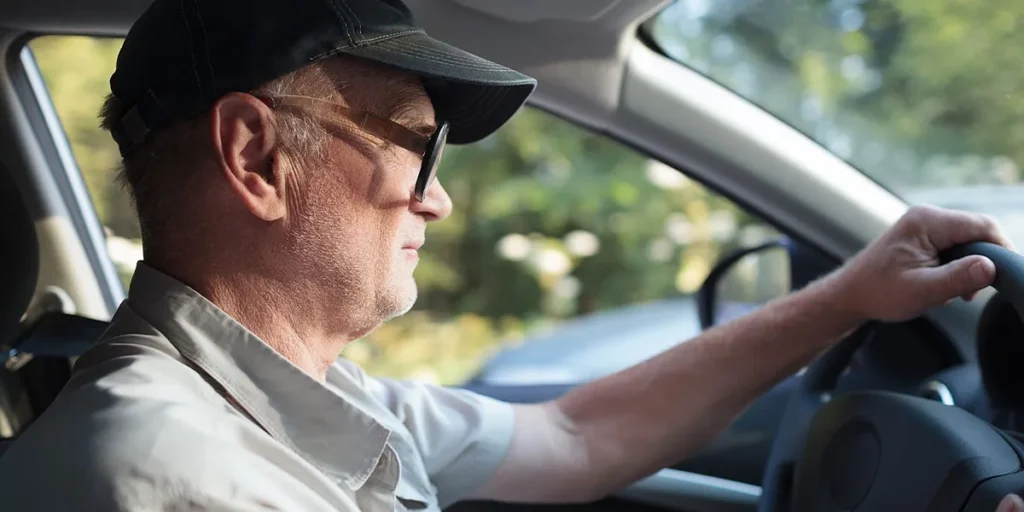
How to Do a Proper Shoulder Check: Step-by-Step
An effective over the shoulder check driving technique should be quick, controlled, and correctly timed.
- Check your mirrors. Identify surrounding traffic and assess whether your intended manoeuvre is possible.
- Signal your intention. Give other road users sufficient warning before changing direction or position.
- Turn your head. Look at least 45 degrees over the appropriate shoulder to examine your blind spot.
- Return your attention forward. Confirm the path ahead remains safe before proceeding.
- Move smoothly when safe. Maintain steering control and an appropriate speed throughout the manoeuvre.
Avoid turning your shoulders or upper body excessively. You should be able to observe the blind spot without unintentionally moving the steering wheel. A useful practice habit is to complete your shoulder check immediately before the intended movement, rather than several seconds earlier when traffic conditions may change.
When Should You Shoulder Check While Driving?
If you’re asking when do you shoulder check while driving, think about moments when your vehicle is about to change lanes, direction, or road position.
Changing Lanes and Merging into Traffic
- Before changing lanes, check the appropriate mirror, signal, and examine the blind spot on the side you’re moving toward.
- During highway merging, assess the available gap while adjusting to traffic speed within the posted limit. Complete your shoulder check before entering the lane.
- Never assume another driver will make room simply because your signal is on.
Turning Right or Left at Intersections
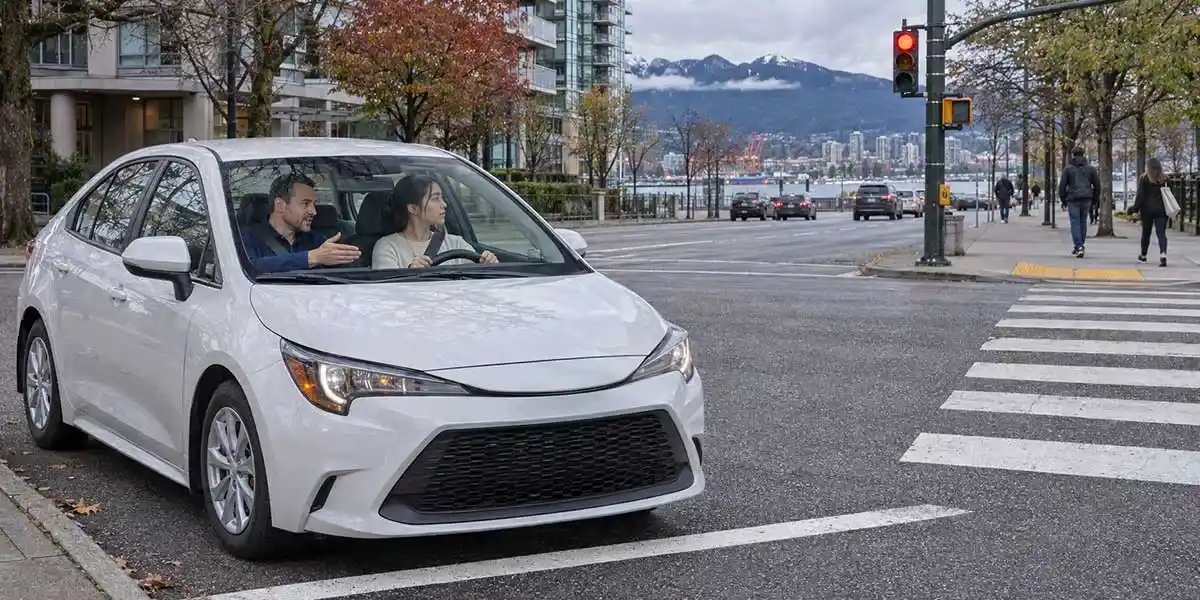
- Before turning right, check for cyclists and pedestrians approaching along the passenger side. Even when the traffic light permits your movement, the area beside your vehicle may not be clear.
- Left turns require careful observation of oncoming traffic, crosswalks, and the relevant blind spot.
- Keep checking the intersection as conditions develop. A shoulder check is one part of a broader observation process.
Pulling Away from the Curb and Parking
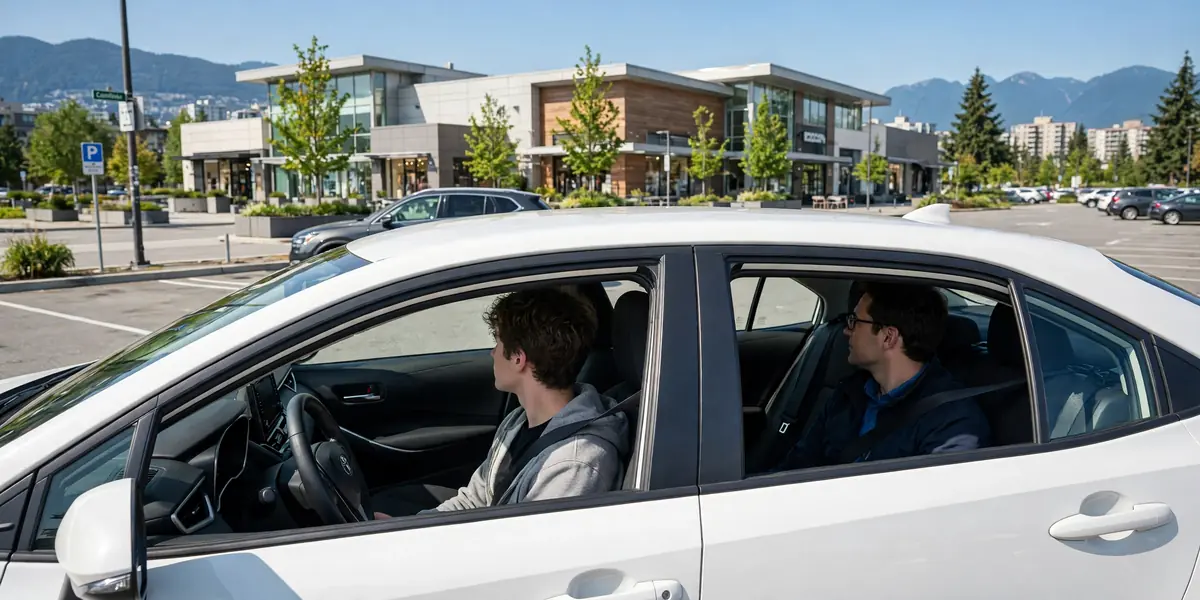
- Before leaving a parked position, signal and shoulder-check toward the traffic lane.
- When pulling over, check the curbside blind spot before moving sideways.
- Parking also requires comprehensive observation. Before reversing, perform a 360-degree check, then continue looking in the direction of travel while monitoring the surroundings.
How to Check Your Right Blind Spot for Cyclists and Pedestrians
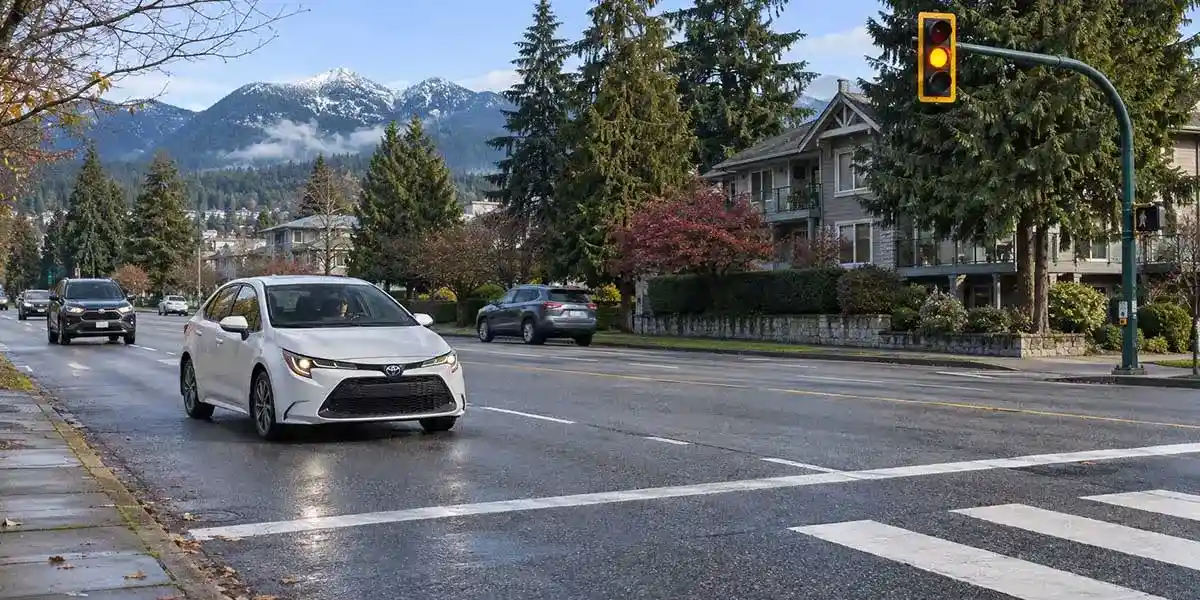
A right shoulder check driving manoeuvre is especially important at intersections and locations with bicycle lanes. Imagine you’re stopped at a red light and intend to turn right when permitted. A cyclist approaching from behind may be travelling along your passenger side, outside the view of your mirrors.
Before turning, complete your required stop, check for pedestrians and approaching traffic, and look over your right shoulder for cyclists or other hazards. If someone is travelling through your intended path, wait until it is safe. This habit is particularly important on busy Vancouver streets, where drivers regularly share the road with cyclists and pedestrians.
What Does ICBC Look for During Shoulder Checks on a Road Test?
In shoulder check driving Canada searches, provincial requirements matter. For British Columbia drivers, ICBC evaluates whether observation is appropriate, timely, and effective.
During Class 5 and Class 7 road tests, examiners look for evidence that you:
- Check the correct blind spot before changing direction or road position.
- Complete shoulder checks at the appropriate moment.
- Maintain control while looking away briefly.
- Combine observation with signalling and mirror checks.
- Recognize pedestrians, cyclists, and other potential hazards.
Your head movement should be clear enough to demonstrate that you’ve checked the intended area. However, exaggerated movements are unnecessary. Most importantly, ICBC assesses safe driving decisions, not simply whether you perform a memorized sequence of gestures.
6 Common Shoulder Check Mistakes That Could Make You Fail
Missing a shoulder check does not automatically mean every road test attempt will fail. However, repeated observation errors or dangerous movements can significantly affect your result.
Here are six mistakes worth correcting before test day:
- Checking too early: Traffic may enter your blind spot before you move.
- Checking after steering: Beginning a lane change before confirming it’s safe creates unnecessary risk.
- Looking in the wrong direction: Always check the blind spot on the side of your intended movement.
- Relying entirely on mirrors: A mirror check cannot replace direct observation.
- Turning your head for too long: Excessive head movement takes attention away from the road ahead.
- Forgetting checks during parking: Low-speed manoeuvres still require careful observation.
These errors also appear in discussions about common mistakes on g2 road test, although Ontario’s G2 test and British Columbia’s ICBC road tests follow different provincial licensing systems.
The best way to avoid these mistakes is to make observation a consistent driving habit rather than something you remember only when an examiner is watching.
How to Practise Shoulder Checks Before Your Road Test
Effective shoulder check driving school training goes beyond repeating head movements. You need to recognize when a check is necessary and respond safely to changing traffic conditions. Start in quiet residential areas before practising on busier streets. Ask your instructor to observe your timing, head movement, lane positioning, and overall awareness. A practical exercise is to complete several lane changes while receiving feedback on each observation. Then practise right turns near bicycle lanes and safe curbside departures.
At Seymour Driving School, lessons focus on patient, personalized instruction and real driving conditions across Metro Vancouver. Students can also prepare through mock road tests and targeted feedback. For a useful final practice session, ask your instructor to assess your driving without reminding you when to shoulder-check. This helps reveal whether the skill has become automatic.
Conclusion: Make Shoulder Checks a Natural Part of Safe Driving
A proper shoulder check is about awareness, timing, and safe decisions, not simply passing a road test. Practise consistently until checking your blind spots becomes a natural part of driving. With the right instruction and experience, you’ll be better prepared for your ICBC road test and everyday traffic situations.
Ready to improve your driving confidence? Explore driving lesson options and prepare for the road ahead.
Frequently Asked Questions
When Should I Shoulder Check While Driving?
Shoulder-check before changing lanes, turning, merging, pulling away from the curb, or moving toward the roadside. The check should happen close enough to your movement to confirm the blind spot is still clear.
How to Do Shoulder Check in Driving?
Check your mirrors, signal when required, turn your head toward the relevant blind spot, and return your attention forward before moving. Keep your steering steady and proceed only when the intended path is safe.
What Is a Shoulder Check Driving?
A shoulder check is a direct visual check of the area beside or behind your vehicle that may not appear in your mirrors. It helps drivers detect hidden road users before changing direction or position.