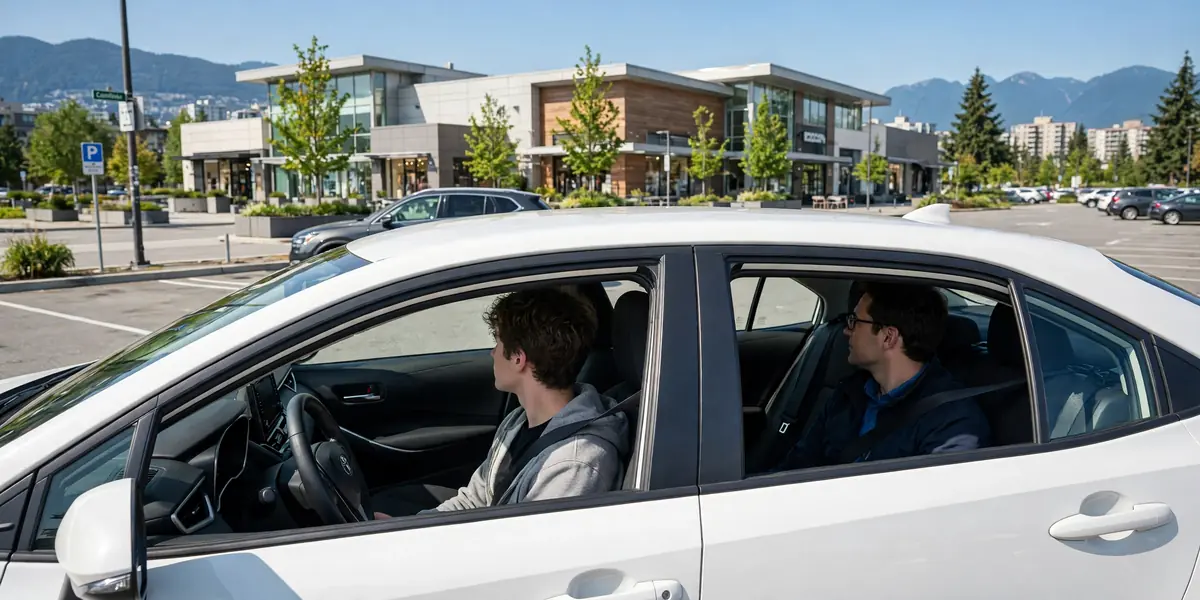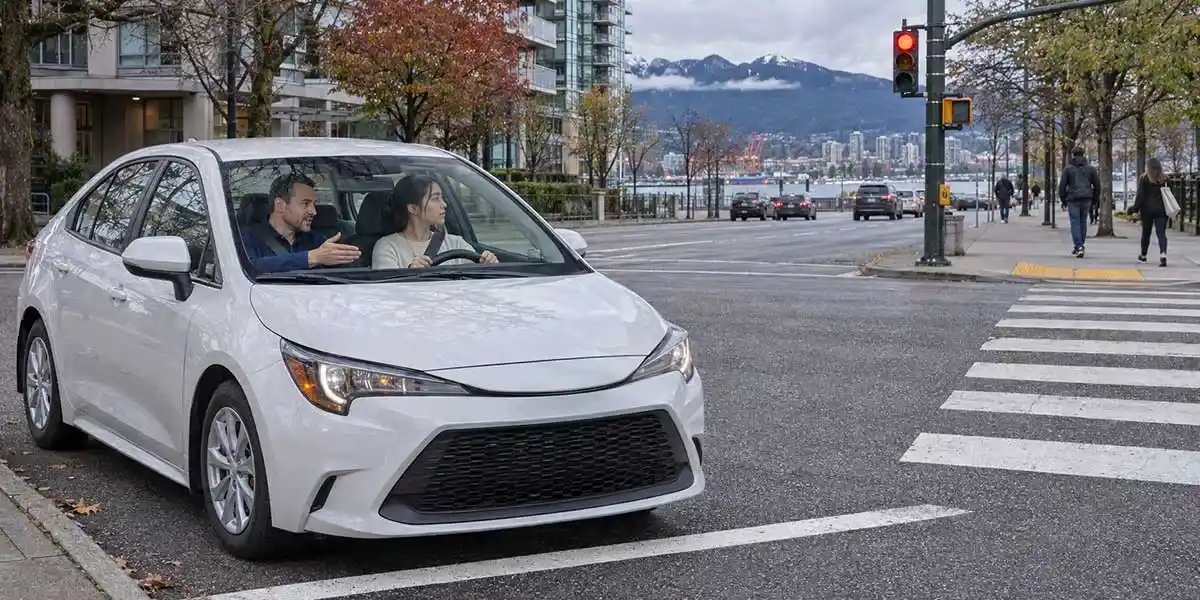

Feeling nervous before driving, avoiding busy intersections, or worrying about making mistakes? Driving anxiety can affect beginners and experienced drivers alike. The good news is that confidence can develop through gradual practice, practical skills, and supportive instruction. Whether you’re returning to driving or preparing for a licence, structured icbc road test preparation can help you become more comfortable with everyday driving situations.
Driving Anxiety: Common Triggers and Practical Solutions
| Driving Situation | Common Reaction | What to Practise | When to Get Help |
| Starting the car | Racing heart, hesitation | Vehicle controls in a quiet area | Anxiety prevents starting |
| Busy intersections | Fear of wrong decisions | Right-of-way rules and observation | Repeated freezing or confusion |
| Changing lanes | Worry about nearby vehicles | Mirror checks, signalling, blind spots | Unable to change lanes safely |
| Highway merging | Fear of speed and traffic gaps | Acceleration and gap assessment with an instructor | Avoiding essential routes |
| Driving in rain | Reduced confidence and visibility concerns | Speed adjustment and following distance | Difficulty maintaining control |
| Driving after a collision | Fear of another accident | Gradual, supported return to driving | Flashbacks or persistent distress |
| Road test preparation | Worry about failing | Mock tests and targeted skill practice | Anxiety disrupts safe decisions |
What Causes Driving Anxiety?
Driving involves constant decisions, observation, and coordination. When these responsibilities feel overwhelming, anxiety may develop.
Common triggers include:
- Limited experience: Unfamiliar situations make decisions feel difficult.
- Fear of mistakes: Drivers worry about upsetting others or causing accidents.
- Previous negative experiences: A collision, close call, or stressful lesson can affect confidence.
- Unpredictable traffic: Pedestrians, cyclists, and impatient drivers create additional pressure.
In North Vancouver, steep roads and busy intersections may increase nervousness. Identifying your specific trigger is the first step toward improving confidence.

How to Get Over Driving Anxiety: Start With Small, Manageable Steps
You don’t need to tackle your most intimidating route immediately. Confidence grows when manageable challenges become familiar.
Start with these practical steps:
- Choose a quiet location. Practise steering, braking, and turning on low-traffic residential streets.
- Repeat familiar routes. Learn to anticipate intersections, signs, and potential hazards.
- Increase difficulty gradually. Introduce busier streets after basic manoeuvres feel comfortable.
- Focus on one skill. Practise parking or lane positioning instead of attempting everything at once.
- Track your progress. Record what went well and identify one improvement for your next drive.
At Seymour Driving School, instructors use patient, personalized teaching methods to help learners develop practical skills at a comfortable pace.
Remember, improvement means making safer decisions, not eliminating every nervous feeling.
How to Deal With Driving Anxiety Before and During a Drive
Preparation can make stressful situations more manageable.
Before driving:
- Plan your route and allow extra travel time.
- Adjust your mirrors, seating position, and ventilation.
- Avoid unnecessary distractions.
- Take a few slow, comfortable breaths before starting.
While driving:
- Keep your attention on the road rather than monitoring every anxious thought. Look ahead, maintain appropriate following distances, and make deliberate decisions.
- Avoid rushing because another driver appears impatient.
- If anxiety becomes overwhelming, find a safe, legal place to stop. Resume only when you can concentrate and operate the vehicle safely.
- Never attempt relaxation exercises that interfere with steering, observation, or vehicle control.
Driving Anxiety After Accident: How to Return to Driving Safely
Feeling uneasy after a collision is understandable. Even a minor accident can make previously familiar situations seem threatening. Begin by identifying what causes the strongest reaction. Is it approaching intersections, driving at higher speeds, or passing the accident location?
Once you’re ready, consider short drives in familiar surroundings with a qualified instructor or suitable supervisor. Gradually introduce more challenging situations without forcing yourself through overwhelming distress.
If you experience flashbacks, panic attacks, persistent sleep problems, or intense fear, consult a healthcare professional. Trauma-related anxiety may require treatment beyond driving lessons. Professional instruction can rebuild practical skills, but it does not replace mental health care.
How to Overcome Driving Anxiety in Heavy Traffic and on Highways
Heavy traffic demands additional attention, particularly when changing lanes or entering highways.
The solution is to develop predictable driving habits.
- For busy intersections: Look ahead, recognize traffic signals early, and identify potential hazards before approaching.
- For lane changes: Check mirrors, signal, assess the space, shoulder-check, and move only when safe.
- For highway merging: Use the acceleration lane to approach an appropriate speed, identify a safe gap, and merge smoothly. Never assume approaching traffic will automatically create space.
- For rainy conditions: Reduce speed when necessary, increase following distance, and avoid abrupt steering or braking.
Practise these skills progressively with an instructor before attempting unfamiliar highways independently.
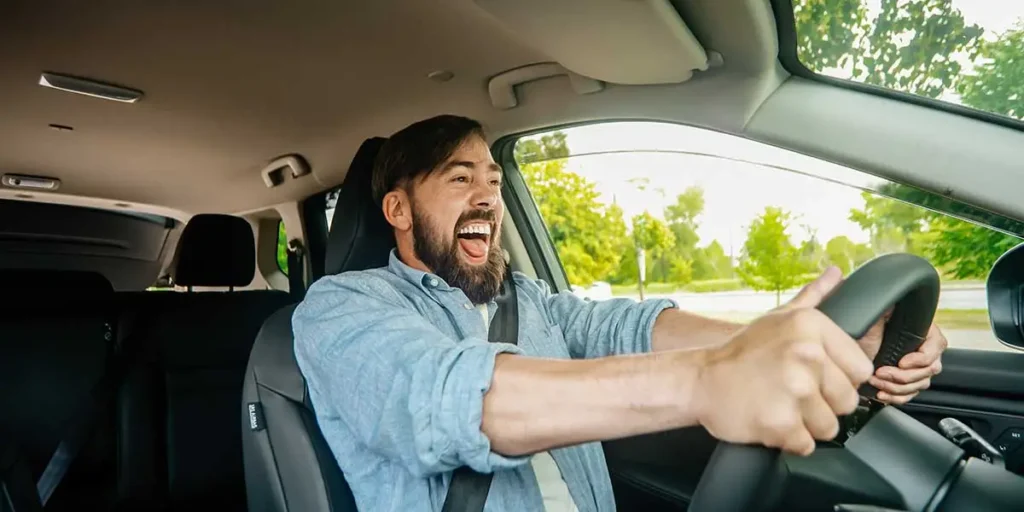
How Professional Driving Lessons Can Help You Feel More Confident
A supportive instructor helps turn uncertainty into practical knowledge. Rather than simply telling you to relax, professional lessons identify specific weaknesses and provide clear feedback.
For beginners, class 7 driving lessons can strengthen observation, vehicle control, parking, and decision-making skills. Drivers returning after a long break may benefit from refresher instruction focused on their individual challenges. The goal is independent, responsible driving, not relying permanently on an instructor for reassurance.
A Complete Guide to Overcoming Driving Anxiety: Your 7-Day Practice Plan
This flexible plan provides a starting point. Repeat any stage until you can complete it safely before progressing. Seven days is not a guaranteed recovery period.
| Day | Practice Focus | Progress Check |
| 1 | Adjust controls and review safety procedures in a parked vehicle | Can identify essential controls |
| 2 | Practise starting, stopping, and steering in a quiet area | Maintains smooth vehicle control |
| 3 | Drive a familiar residential route | Recognizes signs and intersections |
| 4 | Practise turning and parking | Completes manoeuvres without rushing |
| 5 | Introduce moderate traffic with supervision | Maintains observation and spacing |
| 6 | Practise lane changes or highway skills with an instructor | Identifies safe gaps consistently |
| 7 | Repeat a challenging route and review progress | Makes safe decisions with less prompting |
Record your confidence level from 1 to 10 after each session, alongside one skill you performed successfully.
If road test worries are contributing to stress, reviewing common mistakes on g2 road test may help identify general driving errors. However, G2 testing belongs to Ontario; British Columbia learners must follow ICBC requirements.
Build Your Driving Confidence One Lesson at a Time
Becoming a confident driver isn’t about never feeling nervous. It’s about developing the skills and judgment to respond safely when challenges arise. With patient instruction, consistent practice, and realistic goals, everyday driving can become more manageable.
Ready to take the next step? Book a driving lesson and build your confidence on the roads of Vancouver, North Vancouver, West Vancouver, and Burnaby.
Frequently Asked Questions About Driving Anxiety
What Are the Symptoms of Driving Anxiety?
Common symptoms include sweating, a racing heartbeat, muscle tension, nausea, excessive worry, and difficulty concentrating. Some people avoid particular routes or driving altogether.
Is Driving Anxiety Normal?
Yes. Nervousness is common among new drivers and people returning after a difficult experience. However, frequent or severe anxiety that interferes with daily activities deserves professional attention.
Is Driving With Anxiety Dangerous?
Mild nervousness does not automatically make someone an unsafe driver. However, severe anxiety can affect concentration, awareness, and decision-making. Stop safely if symptoms interfere with vehicle control.
Can Driving Anxiety Be Cured?
Many people experience significant improvement through gradual exposure, confidence-building practice, and psychological treatment when needed. Recovery varies, and no single approach guarantees results for everyone.
What Can I Take for Driving Anxiety?
Speak with a healthcare professional before considering medication. Some anxiety medications cause drowsiness or impair driving ability. Never take medication specifically to manage driving fear without checking its driving-related risks.