

Wondering how many driving lessons do I need before taking the ICBC road test? The answer depends on your experience, driving habits, and practice opportunities. Professional driving lessons can help you identify weaknesses, develop safer habits, and prepare confidently for your Class 7 or Class 5 test.
What Is the Average Number of Driving Lessons Needed to Pass the BC Road Test?
There is no official average number of driving lessons required by ICBC. However, many beginners use approximately 10–15 professional lessons alongside regular supervised practice, while experienced drivers may need considerably fewer.
Estimated Driving Lessons by Experience Level
|
Driver Experience |
Estimated Professional Lessons | Main Training Focus |
Recommended Next Step |
|
Complete beginner |
10–15+ | Vehicle control, intersections, parking, observation |
Structured lessons and regular supervised practice |
|
Beginner with some practice |
6–10 | Lane changes, hazard awareness, driving consistency |
Targeted instruction and practice |
|
Developing driver |
3–6 | Correcting recurring errors and improving independence |
Skill assessment and mock test |
|
Experienced overseas driver |
2–5 | BC traffic rules, observation habits, ICBC expectations |
Assessment lesson |
|
Nearly test-ready |
1–3 | Final corrections and road test preparation |
Mock road test |
|
Class 5 candidate with regular driving experience |
1–3 | Advanced observation, hazard awareness, independent driving |
Readiness assessment |
These are planning estimates, not ICBC requirements, verified averages, or guarantees of passing. Actual needs may fall outside these ranges.
Important: ICBC recommends at least 60 hours of driving practice before the Class 7 road test. This includes supervised driving, not just paid instruction.

What Affects How Many Driving Lessons You Need?
If you’re asking how many driving lessons do I need in BC, consider three main factors.
Previous Driving Experience and Confidence
Complete beginners must learn vehicle control and traffic awareness from scratch. Experienced drivers may only need to correct specific habits or become familiar with local expectations.
Practice Frequency and Learning Pace
Regular practice between lessons helps reinforce skills. Someone practising several times weekly may progress differently from a student driving only during instructor sessions.
Familiarity With BC Roads
Local driving experience matters. Practising intersections, school zones, roundabouts, hills, and busy Vancouver traffic helps learners respond confidently to different situations.
How Many Driving Lessons Before the ICBC Class 7 Road Test?
Wondering how many lessons before Class 7 road test preparation is complete?
For beginners, approximately 10–15 professional lessons can be a useful starting estimate, but they do not replace extensive supervised practice.
The question of how many driving lessons before ICBC road test day matters less than whether you can drive safely without constant instructions.
Professional Instruction vs Supervised Practice
Professional instruction develops techniques and identifies mistakes. Supervised practice provides opportunities to repeat those skills in real traffic.
ICBC-approved Graduated Licensing Program courses have separate training requirements, including at least 12 hours of in-car instruction. This course requirement is not a universal minimum for every Class 7 applicant.
Drivers researching What are the different licence classes available in BC? should also understand that Class 7 and Class 5 tests assess different stages of driving experience.
What Skills Should You Master Before Your ICBC Road Test?
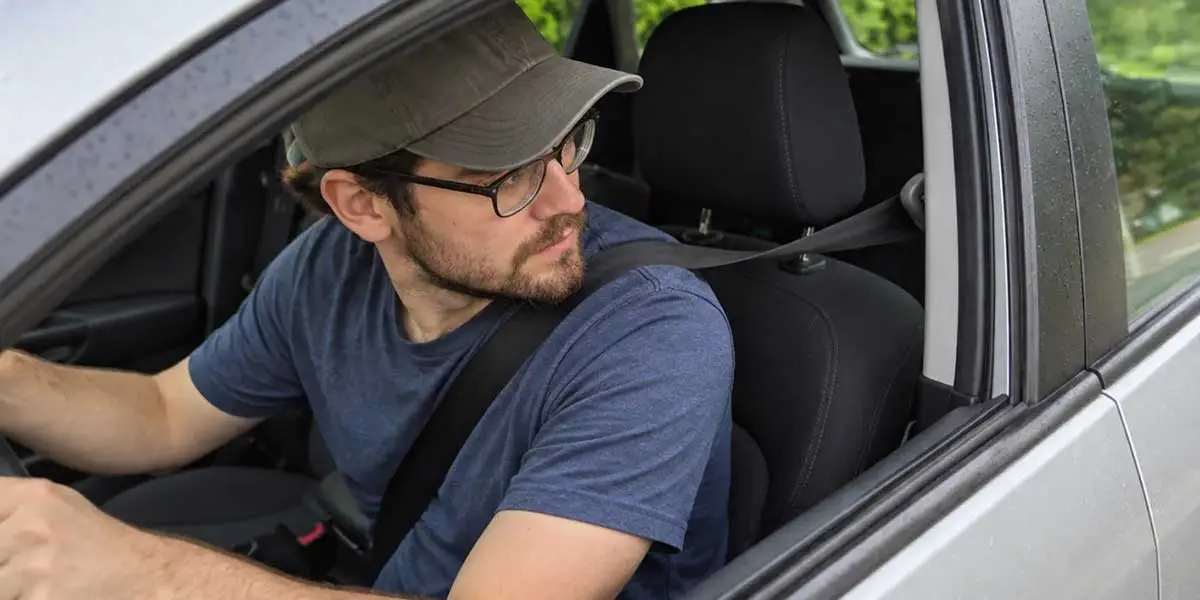
Rather than focusing only on how many lessons to pass driving test, make sure you can consistently demonstrate these essential skills.
|
Skill |
What ICBC Expects |
|
Observation |
Mirror checks, shoulder checks, scanning intersections |
|
Speed control |
Following posted limits and adjusting safely |
|
Intersections |
Correct stopping, yielding, and turning |
|
Lane changes |
Safe gaps, signals, mirrors, and shoulder checks |
|
Hazard awareness |
Recognizing pedestrians, cyclists, and developing risks |
|
Parking |
Safe reverse, parallel, and hill parking where requested |
|
Independence |
Making appropriate decisions without continuous guidance |
According to ICBC’s road test preparation guidance, observation, speed control, space margins, communication, and hazard perception are central assessment areas.
How Can You Tell If You’re Ready for the BC Road Test?
You may be ready when you can:
- Drive independently without repeated instructor corrections.
- Make consistent shoulder checks and complete stops.
- Maintain appropriate speed and following distance.
- Handle unfamiliar intersections and traffic conditions.
- Complete parking manoeuvres safely.
- Recognize hazards and respond appropriately.
- Complete a realistic mock road test without significant safety concerns.
A mock test is useful because it reveals mistakes that may not appear during familiar practice routes.
Can Experienced or Overseas Drivers Pass With Only a Few Lessons?
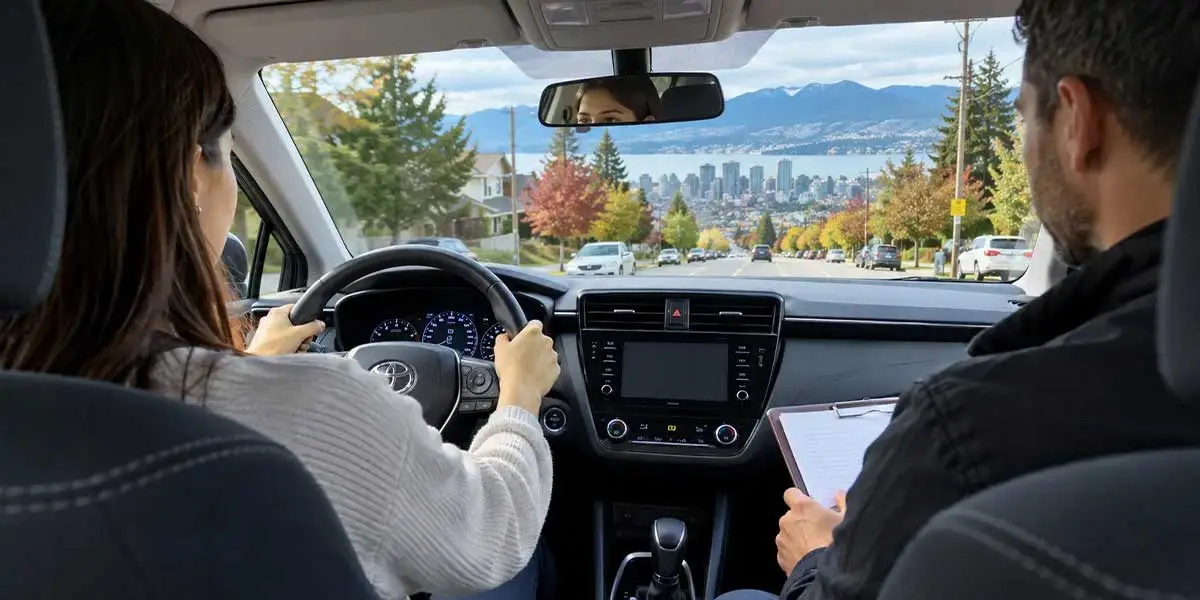
Yes. Drivers with substantial experience may need only a few driving lessons BC instructors provide to adjust to local regulations and testing standards.
An assessment lesson can reveal issues such as inconsistent shoulder checks, incorrect intersection positioning, or unfamiliarity with Canadian road signs.
At Seymour Driving School, instructors tailor training to individual experience levels rather than assuming every student needs the same number of sessions.
How to Prepare Efficiently Without Taking Unnecessary Lessons
The most efficient approach combines structured instruction with purposeful practice.
- Start with an assessment: Identify existing strengths and weaknesses.
- Practise between lessons: Reinforce newly learned skills with a qualified supervisor.
- Track recurring mistakes: Focus on problems that continue appearing.
- Drive in varied conditions: Practise unfamiliar roads, traffic levels, and intersections.
- Complete a mock test: Confirm readiness before booking additional sessions unnecessarily.
Students can explore available driving lesson packages to choose a suitable amount of instruction.
Final Thoughts
If you’re wondering how many driving lessons before road test day is enough, remember that readiness matters more than reaching a specific number. Focus on developing safe habits, practising consistently, and correcting weaknesses before the test. The right instruction helps you become not only test-ready but also a safer, more confident driver.